Phone:
(701)814-6992
Physical address:
6296 Donnelly Plaza
Ratkeville, Bahamas.

Phone:
(701)814-6992
Physical address:
6296 Donnelly Plaza
Ratkeville, Bahamas.
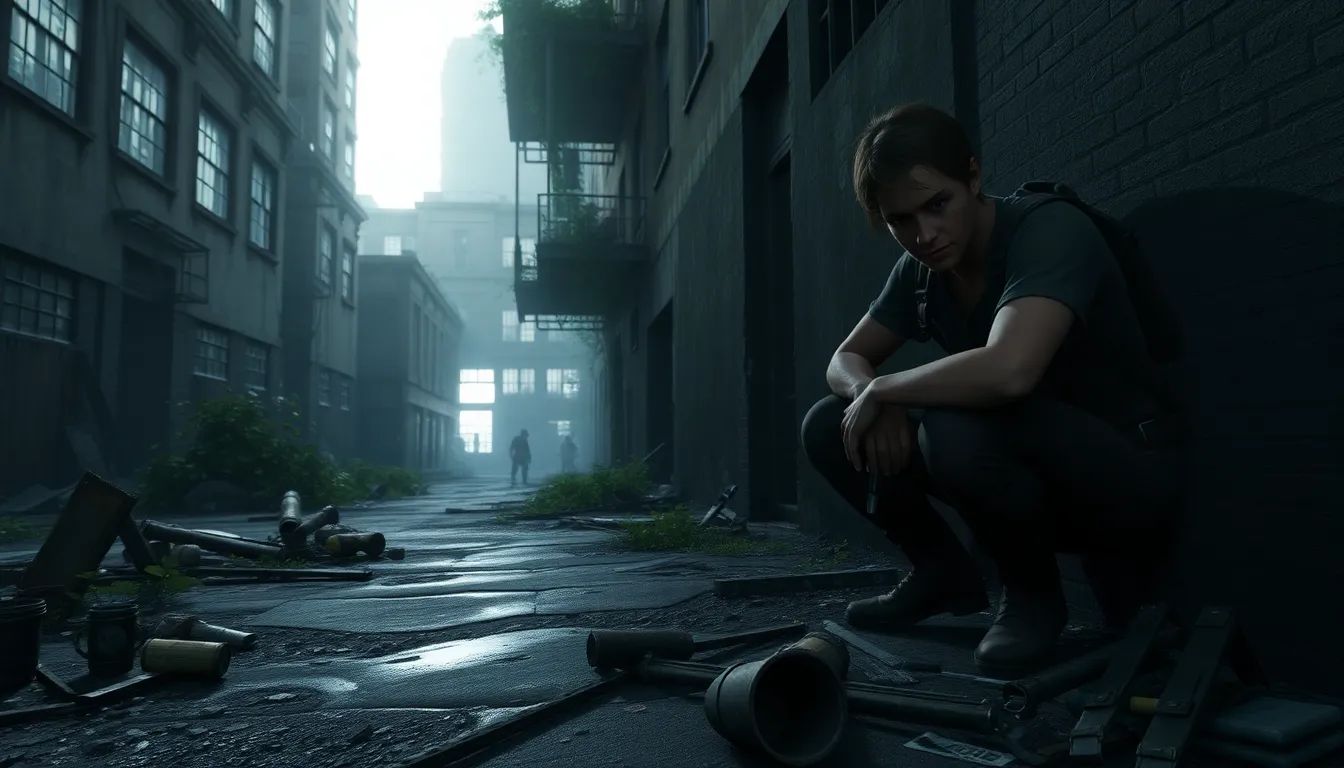
In the world of video games, few titles have garnered the acclaim and passion that “The Last of Us” has. Why? This masterpiece doesn’t just throw players into chaos: it creates an emotional rollercoaster wrapped in engaging gameplay. Whether it’s sneaking past a Clicker or crafting a Molotov cocktail to face off against bandits, the gameplay pulls each player into a gripping narrative. But hold on. Let’s dive deeper. What makes this experience so memorable, and why should every gamer take notice? Get ready for a comprehensive exploration of the gameplay mechanics, from heart-pounding combat to the emotional stakes that drive every moment. Buckle up.
The combat in “The Last of Us” is nothing short of exhilarating. It deftly balances gunfights and melee brawls, plunging players into adrenaline-pumping situations. Without a doubt, engaging with enemies is one of the game’s highlights. Players can adopt different approaches, whether it’s unloading a shotgun on a foe or quietly executing them with a knife. Combat is not just about brute force: it also requires strategic thinking. Choosing when to fight and when to sneak away can be the difference between life and death.
Stealth mechanics take center stage, allowing players to navigate the world tactfully. By using the environment, players can hide behind obstacles and use distractions to lure enemies away. The tension builds as players decide whether to take out a guard silently or sprint away from a group of approaching foes. The game’s realistic AI means that enemies can detect sounds and movements, adding a layer of challenge that keeps players on their toes. Stealth becomes an art form, rewarding patience and strategic planning.
Crafting is integral to survival in this harsh world. Players gather resources from their surroundings, be it scrap metal or medical supplies. The crafting system is intuitive, enabling players to create useful tools from what might otherwise be considered junk. Molotov cocktails, health kits, and upgraded weapons become essential for navigating the game’s treacherous environments. It’s not just about crafting items, but about making thoughtful decisions on what to prioritize, which can alter the course of gameplay dramatically.
Exploration holds great significance in “The Last of Us.” The game world is meticulously crafted, from abandoned cities to lush forests, each locale telling its own story. Players find themselves foraging through dilapidated buildings, uncovering clues that shed light on the world before the outbreak. Exploration isn’t merely a leisurely stroll: it’s filled with tension as danger lurks around every corner. Hidden collectibles offer insights into character backstories and the broader world, enhancing the narrative experience.
Environmental interactions further amplify immersion. Players can manipulate their surroundings, whether it’s pushing a dumpster to create a makeshift path or using a brick to crack an enemy’s skull. These interactions foster a sense of agency, making every action feel consequential. Along the way, players might stumble upon makeshift shelters or remnants of past lives, deeply enriching their connection to the characters and the world they inhabit.
Character development is a cornerstone of “The Last of Us.” Players witness the evolution of both Ellie and Joel through gripping dialogues and emotional choices. Progression systems allow players to enhance abilities over time, making characters feel like genuine extensions of the player’s decisions. Skill trees offer different paths, allowing players to tailor their gameplay style. Should Joel become more adept in combat, or should he focus on stealth? The choices feel personal and have profound narrative implications.
Besides, relationships between characters deepen as the story unfolds, shaping their motivations and fears. This emotional weight transforms gameplay from merely running and gunning to something profoundly immersive. Players come to care about these characters, making every loss feel impactful and every victory hard-won.
Interestingly, “The Last of Us” also ventures into the realm of multiplayer. While the main campaign is rich and absorbing, its multiplayer mode provides a different flavor of chaos and strategy. Players can engage in team-based matches that capitalize on the core mechanics of stealth and resource management. Gameplay in multiplayer often mimics the single-player experience but cranks the intensity up a notch.
Players must work together, utilizing the environment to outsmart opponents while maintaining the game’s signature tension. Scavenging for supplies becomes a group effort, demanding communication and coordination. The sense of teamwork creates a unique dynamic, allowing players to experience the harsh climate in a competitive setting.
What truly sets “The Last of Us” apart is the symbiotic relationship between its narrative and gameplay. The game’s storyline weaves seamlessly into the mechanics, making players feel the weight of their decisions. Each encounter isn’t just about survival: it’s tied to larger themes of loss, hope, and resilience. Players find themselves emotionally invested in the story, which in turn enriches their gameplay experience.
The carefully paced narrative unfolds as players progress, revealing backstory and fleshing out characters. Moments of intense action are juxtaposed with quieter, reflective scenes, enhancing the emotional stakes. This integration creates a multiplayer of feelings, fear, joy, heartache, that resonates far beyond the screen.
