Phone:
(701)814-6992
Physical address:
6296 Donnelly Plaza
Ratkeville, Bahamas.

Phone:
(701)814-6992
Physical address:
6296 Donnelly Plaza
Ratkeville, Bahamas.
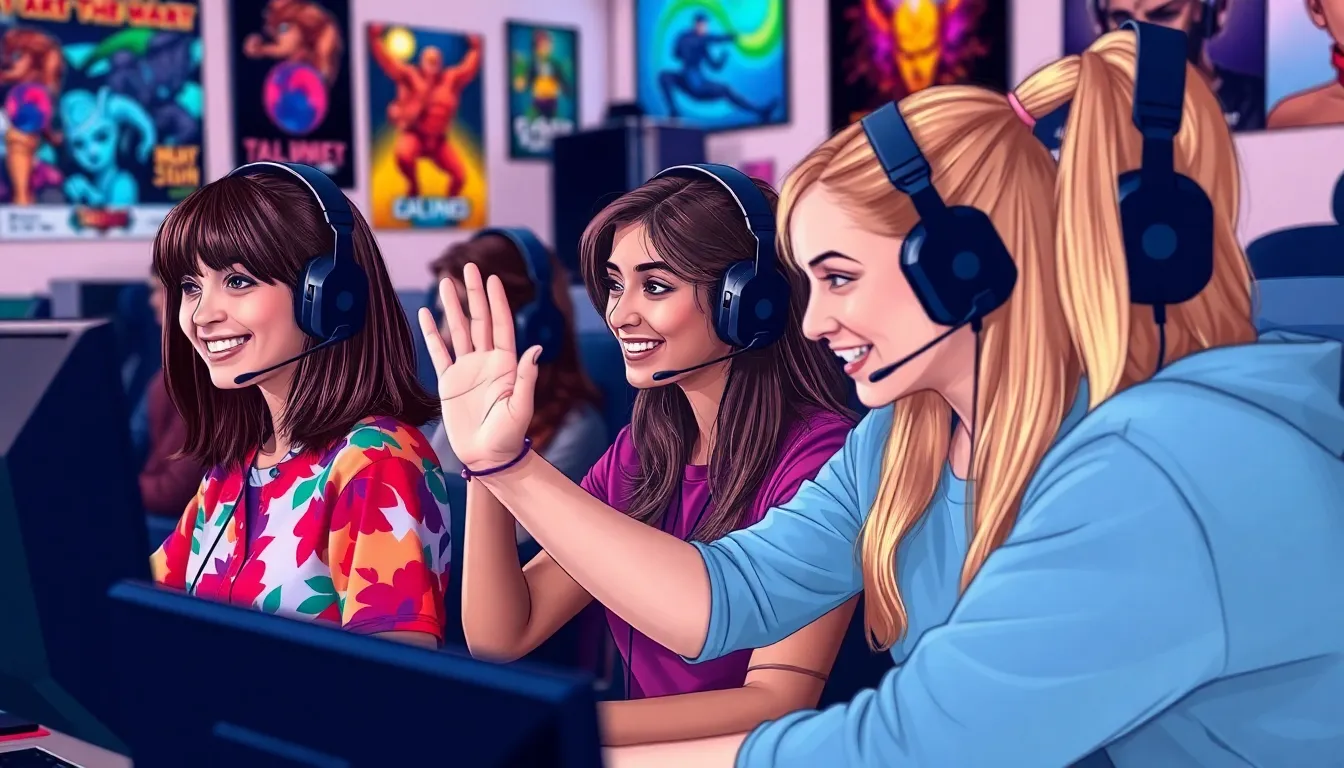
In a world where gaming was once seen as a boys’ club, female gamers are smashing stereotypes and leveling up in style. They’re not just playing; they’re dominating leaderboards and crafting epic stories that redefine the gaming landscape. With skills sharper than a well-honed sword, these women are proving that gaming isn’t just a pastime—it’s a powerful platform for creativity and community.
From casual players to professional eSports athletes, female gamers are making their mark and showing the world that they belong in every virtual arena. So grab your controller and get ready to cheer on the fierce women who are changing the game, one pixel at a time. After all, who says gaming can’t be both fun and fierce?
Female gamers have surged in numbers over the past decade, breaking barriers and redefining norms in the gaming industry. Data from the Entertainment Software Association shows that 41% of gamers are women, highlighting their significant presence. Not only are women participating, but they also excel across various genres, from role-playing games to competitive eSports.
Professional female gamers like Katja “Kaceytron” Hofmann and Sasha “Scarlett” Hostyn exemplify this success, showcasing their skills on international stages. Tournaments feature female competitors more frequently, with events like the League of Legends World Championship and the Overwatch League promoting inclusivity.
Communities dedicated to female gamers have emerged, fostering friendships and support networks. Platforms such as Twitch provide opportunities for women to showcase their talents and engage with fans, further solidifying their influence. Additionally, female streamers often create content that reflects diverse perspectives, contributing unique narratives to the gaming landscape.
Research indicates that inclusive gaming environments not only benefit women but also enhance the overall gaming experience for everyone. Exposure to female characters in games strengthens representation, inspiring more girls to play and pursue careers in gaming.
Ultimately, the rise of female gamers signifies a shift towards a more inclusive future. Celebrating their achievements and contributions enriches the gaming community and encourages others to join. The impact women have on gaming continues to grow, making it an exciting time for the industry.
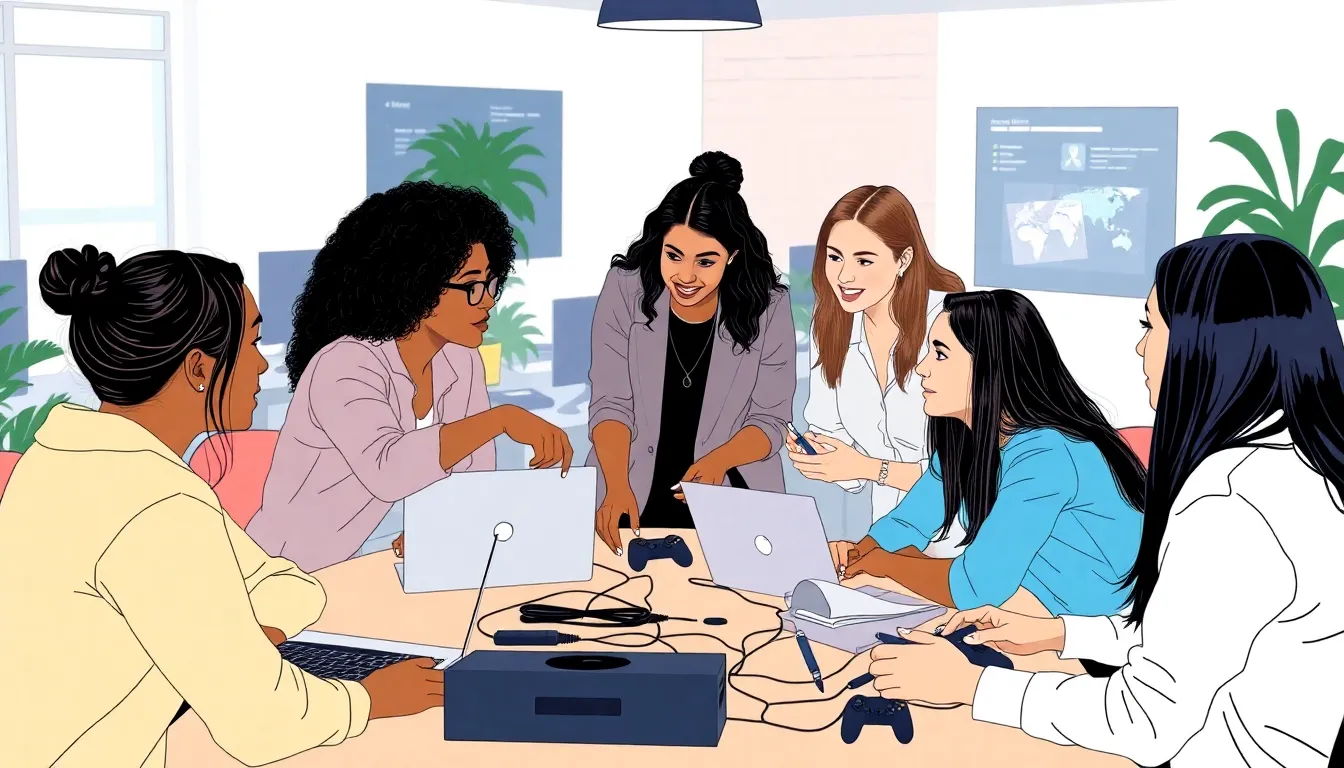
Female representation in the gaming industry has evolved significantly. Women’s contributions span various aspects, enriching narratives and character diversity.
Diverse characters enhance the gaming experience. Female protagonists are emerging in titles like The Last of Us Part II and Horizon Zero Dawn, proving women’s narratives resonate with players. Statistics indicate that nearly 50% of new video game characters feature female leads. Gamers appreciate this growth, as it fosters relatability and enhances engagement. Representation beyond protagonists also matters; supporting characters reflect diverse backgrounds enriching storylines. This shift in character development aligns with evolving player demographics, allowing a broader audience to connect.
Women increasingly occupy key roles in game development. Research shows that 22% of game developers are female, a percentage that continues to rise. Game designers, programmers, and writers actively contribute to the creative process, shaping the industry’s future. Notable figures include Jade Raymond and Corrinne Yu, who have pioneered advancements in gameplay. Companies are prioritizing inclusivity, encouraging diverse perspectives in project teams. This focus not only improves workplace dynamics but also leads to more innovative and appealing game designs. Expanding female participation in development roles ensures that diverse voices create games that engage all audiences.
Female gamers encounter various challenges that can hinder their participation and enjoyment in gaming. Addressing these obstacles enhances inclusivity within the gaming community.
Online harassment remains a prevalent issue for female gamers. Many experience targeted attacks, harassment, or toxic behavior during gameplay, which can discourage participation. Reports indicate that women are likely to face aggressive comments or threats more than their male counterparts. Platforms have begun implementing stricter policies to combat this issue, yet the problem persists. Creating a safer environment requires ongoing community support and vigilance.
Stereotypes and misconceptions about female gamers still exist. Many assume that women engage with games less seriously than men, perpetuating the idea that gaming is a male-dominated space. These beliefs can undermine women’s accomplishments and contributions in both casual play and professional settings. Acknowledging the diversity of female gamers is crucial in breaking down these barriers. By highlighting the skills and achievements of women in gaming, the community can foster a more inclusive atmosphere that celebrates all players.
Female gamers significantly influence gaming culture through community engagement and female-driven initiatives.
Communities dedicated to female gamers have flourished, creating supportive networks that enhance the gaming experience. Platforms like Twitch enable women to showcase their skills and connect with audiences, ensuring representation in a previously dominated space. Participation in gaming tournaments continues to rise, with events featuring female competitors across various titles. Women actively contribute to forums and social media groups, sharing strategies and forming friendships. These interactions not only empower female gamers but also inspire more girls to participate in gaming, benefiting the industry at large.
Female-driven initiatives are reshaping the gaming landscape. Organizations such as Women in Games and Girls Who Code focus on promoting inclusivity and providing resources for aspiring female developers and gamers. Industry conferences increasingly highlight successful women, showcasing their contributions and encouraging emerging talent. Additionally, gaming companies prioritize projects featuring female protagonists and inclusive storylines. Games like The Last of Us Part II exemplify these efforts, delivering narratives that resonate with diverse audiences. With 22% of game developers being female, these initiatives play a crucial role in driving meaningful change in the gaming sector.
The evolution of female gamers is reshaping the gaming landscape in profound ways. As they continue to break barriers and redefine what it means to be a gamer, their influence is undeniable. The rise of supportive communities and increased representation in both gaming narratives and development roles showcases a commitment to inclusivity.
Despite facing challenges like online harassment and stereotypes, female gamers are forging ahead with resilience and creativity. Their contributions not only enhance gameplay experiences but also inspire future generations to engage with gaming.
As the industry embraces this shift, it’s clear that the future of gaming is brighter and more diverse than ever. Supporting female gamers and recognizing their achievements is essential in fostering a thriving and inclusive gaming culture.
